Save Voice Memos as Baby Memories
Baby Milestone Journal ·
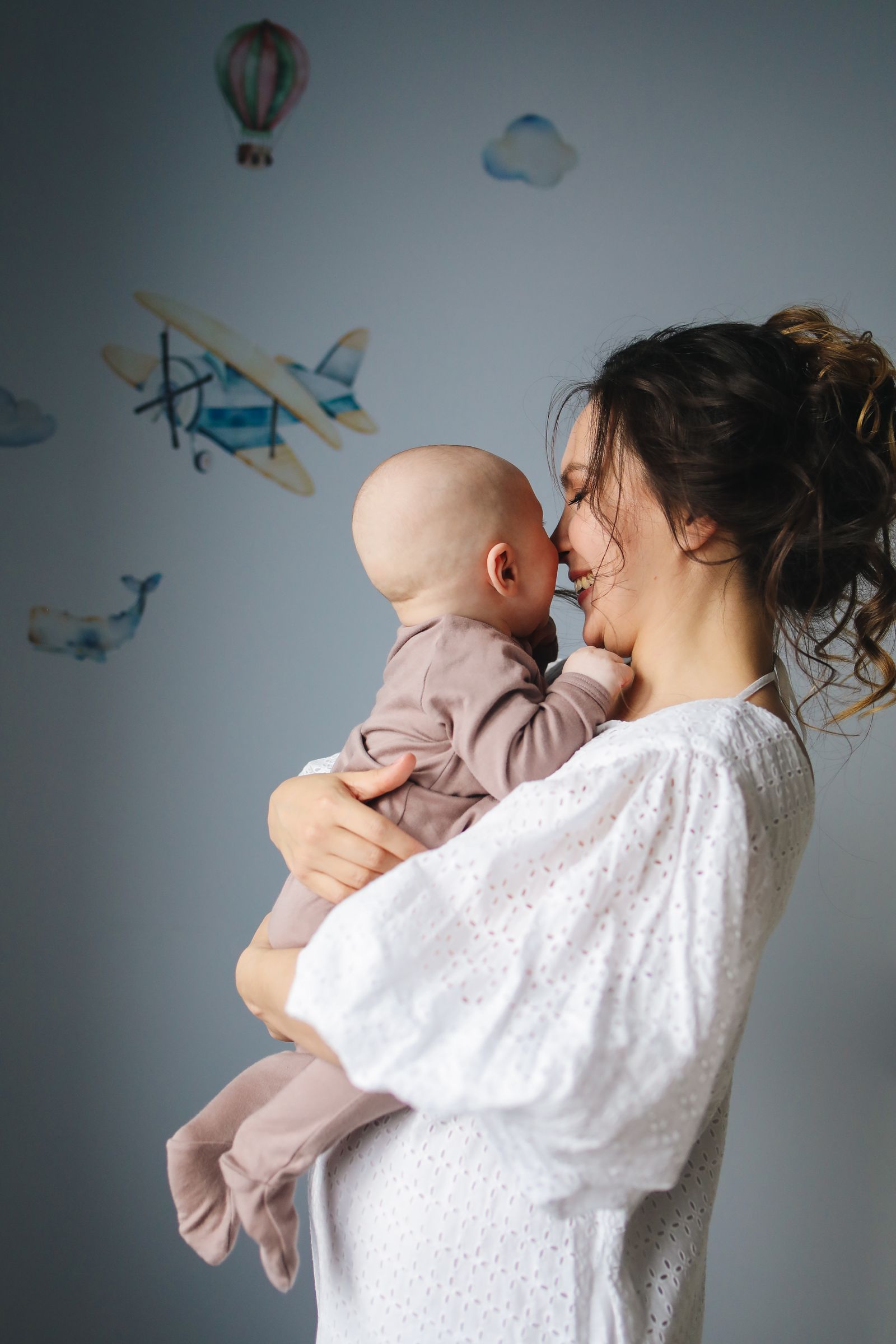
Photos are wonderful, but they cannot save everything.
They cannot save the sound of an early laugh, the tiny breathy coo before sleep, the way a grandparent says the baby's name, or the song that somehow works every time.
Voice memos can.
What to record
Start with ordinary sounds. A laugh. A babble session. A favorite lullaby. The squeal that happens during bath time. A few seconds of family singing happy birthday. A parent describing the day while the baby makes noise in the background.
The recording does not have to be studio quality. In fact, the background sounds may become part of what makes it precious.
Keep recordings short
Long recordings are harder to sort later. Short clips are easier to save with a clear note.
Try ten to thirty seconds. Add the date and a plain label: "laughing at the dog," "grandma singing," "first beach trip sounds," "sleepy kitchen coos."
The label helps future you find the moment without listening through a mystery folder.
Pair sound with one photo
If you can, pair the voice memo with a photo from the same moment. The photo gives the recording a place to live. The recording gives the photo a voice.
Together they create a richer memory than either one alone.
Save family voices
Baby memories are also family memories. Ask grandparents or close relatives to record a short message occasionally. It can be as simple as, "I loved seeing you smile today."
Those voices may feel ordinary now. They may not feel ordinary later.
Make audio part of the routine
Once a month, record one sound. That is enough. Twelve short clips from the first year can become a keepsake no photo book can duplicate.
The goal is not to capture every sound. It is to save enough that the year can be heard as well as seen.