Letters to Your Baby: A Quiet Way to Remember
Baby Milestone Journal ·
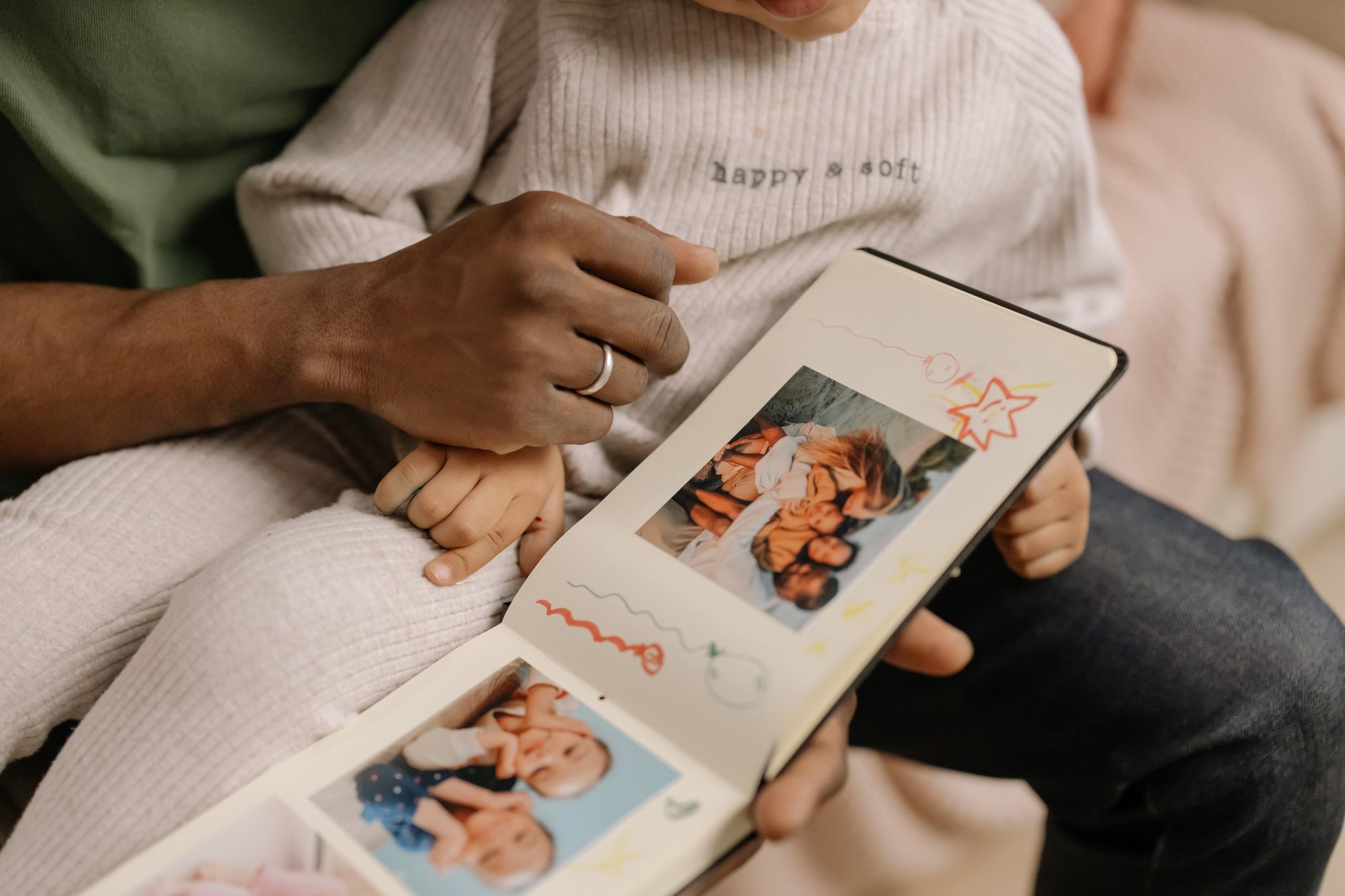
Writing letters to your baby is one of the simplest ways to hold onto the feelings that photos and milestone charts can't quite capture. A letter lets you speak directly to your child, even before they can read, and it becomes a private record of who you were and who they were becoming at that exact moment. Unlike a public caption or a quick note in a baby app, a letter has room for the messy, tender, unfinished thoughts that parenting brings up. With a simple reminder system, this kind of writing doesn't need to feel like homework. It can become a small, steady habit that fits into the busy rhythm of real family life.
Why Letters Feel Different From Journal Entries
A journal entry often records what happened. A letter records how you felt about it, written as if your baby is sitting right there listening. That shift in voice changes everything. Instead of writing "baby slept through the night for the first time," you might write, "I woke up in a panic because the house was too quiet, and then I found you sleeping so peacefully I didn't want to move." That second version carries the moment forward in a way a bare fact never could.
Letters also give you permission to be honest about the harder parts of a day, not just the polished highlights. You can write about exhaustion, doubt, or the strange grief of watching a stage end, alongside the joy. Years later, your child won't just see a timeline of firsts; they'll see a parent who loved them through the whole range of ordinary days, which is its own kind of gift.
Finding Small Moments Worth Writing Down
You don't need a big occasion to write a letter. Some of the most meaningful ones come from small, easily forgotten moments: the way your baby grips your finger during a feeding, a particular laugh that shows up for only a few weeks, or the first time they reach for you across a room. These details fade quickly from memory unless you catch them close to when they happen.
A useful approach is to keep a running mental list of "almost nothing" moments during the week, then choose one or two to expand into a letter. You might write about a smell that reminds you of your baby, a song that was playing during a quiet afternoon, or a worry you had that turned out fine. None of these need context or explanation for anyone else, because the letter is written for your child, not for an audience. That freedom is what makes the writing feel light instead of like another task on your list.
Simple Reminders That Keep the Habit Alive
The hardest part of letter writing isn't the writing itself, it's remembering to do it. A short, recurring reminder works better than a vague intention to "write more often." Some parents set a reminder for a quiet evening hour once a week, while others tie it to a specific event, like the night before a new month begins or right after a nap when the house is calm.
It also helps to lower the bar for what counts as a letter. A few honest sentences written on a phone note still counts, even if it isn't polished. The goal is consistency over perfection, since a short letter written today will always mean more than a longer one you meant to write next week. If a reminder goes unanswered for a while, there's no need to catch up on every missed week. Simply pick up with today's moment and keep going from there.
Keeping Your Letters Private and Safe
Because letters often hold your most personal thoughts, privacy matters more here than with photos or milestone notes. Many parents choose a dedicated notebook kept somewhere quiet, or a private digital folder that isn't linked to shared family accounts. The point is to create a space where you can write freely, without wondering who might see it later.
It's worth deciding early whether these letters are meant to stay private indefinitely, or whether you'd like to share them with your child someday, perhaps as a teenager or on a future birthday. That decision can shape how openly you write. Whatever you choose, make a habit of saving copies somewhere secure, whether that's a locked drawer, a private cloud folder, or a printed collection tucked into a keepsake box. A private letter is only valuable if it's still there to read years from now.